
1200mm led bathroom mirror
Understanding the Importance of Backflow Preventer Check Valves Backflow preventer check valves are critical components in plumbing and wastewater management systems, ensuring that contaminated water does not flow back into the clean water supply. These devices are essential for maintaining water quality and protecting public health. This article explores the function, significance, and application of backflow preventer check valves in various settings. What is a Backflow Preventer Check Valve? A backflow preventer check valve is designed to allow water to flow in one direction while preventing reverse flow. This is particularly important in plumbing systems where the potential for contamination exists due to varying pressures. The device consists of two main components a check valve and a backflow preventer. The check valve opens under normal pressure, allowing water to flow through. In the event of a pressure drop, the valve closes, preventing unwanted backflow. Why is Backflow Prevention Important? Backflow can occur due to several factors, including changes in water pressure, pipe bursts, or fire hydrant usage. When this happens, untreated water or other contaminants can enter the potable water system, posing serious health risks. Contaminants may include pesticides, fertilizers, or sewage, all of which can lead to significant public health issues. Many local regulations, such as the Safe Drinking Water Act in the United States, mandate the installation of backflow prevention systems in various environments, including residential, commercial, and industrial establishments. These regulations underscore the necessity of maintaining clean, safe water sources for communities. Applications of Backflow Preventer Check Valves Backflow preventer check valves are used in various applications, each with unique requirements . Some common applications include backflow preventer check valve 1. Residential Plumbing In homes, backflow preventers are commonly installed at the irrigation system connections and boilers. This protects household water supply from potential contaminants that might enter during back-siphonage. 2. Commercial Establishments Restaurants, hotels, and any business that uses water-intensive processes must have backflow prevention devices in place. For example, a commercial kitchen's dishwashing area requires backflow prevention to ensure food and beverage quality. 3. Industrial Processes Industries that handle chemicals or hazardous materials must use backflow preventers to ensure that any harmful substances do not contaminate the water supply. This is crucial for both safety regulations and environmental protection. 4. Municipal Water Supply Systems Cities and towns often install backflow prevention devices in water distribution systems, especially where the system interfaces with residential and commercial properties. Preventing backflow in these systems protects the entire community's water supply. Maintenance of Backflow Preventer Check Valves Regular maintenance and testing are vital to ensure the proper functioning of backflow preventers. Many jurisdictions require annual testing by certified professionals to ensure the device operates as intended. Failure to maintain these systems can result in contamination, legal penalties, and costly clean-up efforts. Conclusion Backflow preventer check valves play an essential role in safeguarding our water supply from contaminants. Their correct installation and maintenance are vital to public health and safety. As we continue to face challenges regarding water quality, understanding and implementing effective backflow prevention measures is paramount. By prioritizing these systems, communities can ensure a safe and clean water supply for all.
about
1200mm led bathroom mirror
The Plain vs. Block Debate An Exploration of Simplicity and Structure in Design In the realms of design and architecture, the concepts of plain and block often surface in discussions about aesthetics, functionality, and user experience. Each term carries its own connotations and evokes distinct philosophies, shaping the way designers approach their projects. This article delves into the dichotomy between plain design—characterized by simplicity and minimalism—and block design, noted for its structure and multifaceted forms. Understanding Plain Design At its core, plain design champions minimalism. It revolves around the idea that less is more, where simplicity takes precedence over embellishment. This approach focuses on clean lines, neutral colors, and a lack of unnecessary ornamentation. The motivations behind plain design include a desire for clarity and the elimination of distraction. Designers who adopt this style aim to create spaces and objects that allow users to engage fully with the essential function without being overwhelmed by visual noise. One of the most prevalent examples of plain design can be seen in Scandinavian design philosophy. Pioneers such as Alvar Aalto and Arne Jacobsen emphasized the importance of functionality while embracing simplicity. Their work demonstrates how a plain aesthetic can lead to emotional warmth and a connection to natural materials. Furthermore, the rise of minimalism in modern architecture and interior design reflects a broader cultural shift towards mindfulness and intentional living. The Appeal of Block Design On the other end of the spectrum lies block design, which often emphasizes structure and solidity. Block design is characterized by geometric shapes, bold forms, and a stronger presence. This style can create a sense of security and permanence, appealing to those who value robustness in their surroundings. Block design often incorporates materials such as concrete, steel, and glass, aligning with contemporary architectural trends that highlight urban environments and industrial aesthetics. plain v block Block design can be seen in various applications, from urban planning to product design. Skyscrapers like the Willis Tower in Chicago exhibit block characteristics through their towering forms that dominate city skylines, while modular furniture designs use block principles to create versatile, functional pieces. The emphasis on substantiality and versatility reflects a growing need for designs that can adapt to various uses while maintaining their structural integrity. Contrasting Philosophies The core difference between plain and block design lies in their underlying philosophies. Plain design seeks to strip away the superfluous to emphasize clarity and ease of use. It believes that the essence of a space or object should speak for itself, with an emphasis on the materials and craftsmanship. In contrast, block design embraces complexity and structure, often inviting users to engage with a multifaceted experience. Both approaches have their merits, and the choice between them often depends on the context of the project and the intended audience. Hybrid Approaches Rather than viewing plain and block design as mutually exclusive, many contemporary designers adopt hybrid approaches that incorporate elements of both styles. This fusion allows for creativity while also fulfilling functional requirements. For example, a building may feature a plain, minimalist facade but utilize block-like structures inside for spatial division and functionality. Such blends can result in innovative designs that cater to varying user preferences and needs. Conclusion The debate between plain and block design encapsulates a broader conversation about the role of aesthetics in our lives. Whether we lean towards the serenity of minimalism or the strength of structured forms, understanding the implications of our design choices can lead to more thoughtful creations. Ultimately, the dialogue between simple and substantial informs not just the built environment but also how we interact with the world around us, guiding us toward spaces that reflect our values and enhance our experiences. As we navigate this balance, we can appreciate the beauty in both plain and block designs, recognizing that each has its place in the tapestry of human creativity.
-

High quality industrial productsagement

High quality industrial products
View Details -

Meet the diverse needs of customers

Meet the diverse needs of customers
View Details -

Strict quality control

Strict quality control
View Details -

Top raw materials

Top raw materials
View Details -

Trusted supplier

Trusted supplier
View Details
Our application


news and information
Wholesale Suppliers for High-Quality Ball Valves in Diverse Applications
The Wholesale Market for Ball Valves Trends and Insights In the industrial landscape, ball valves pl
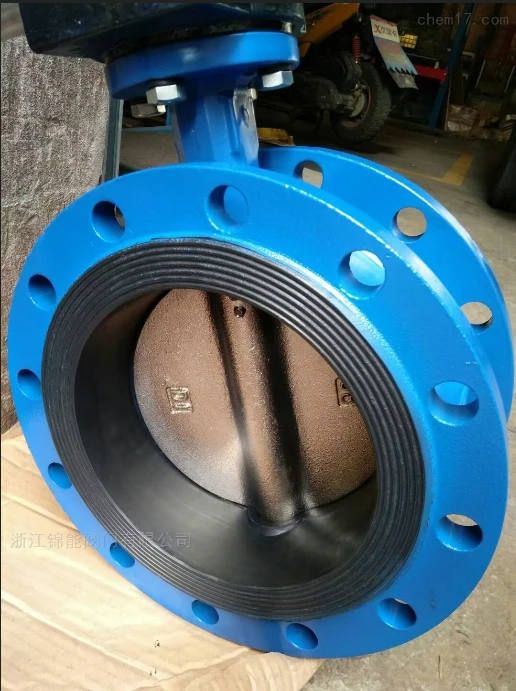
Välineet tarkkuusmittaamiseen syvyysmittari 18-35 mm halkaisijalle
Dial bore gauge on yksi tärkeimmistä työkaluista tarkkuusmittauksessa teollisuudessa, erityisesti ku
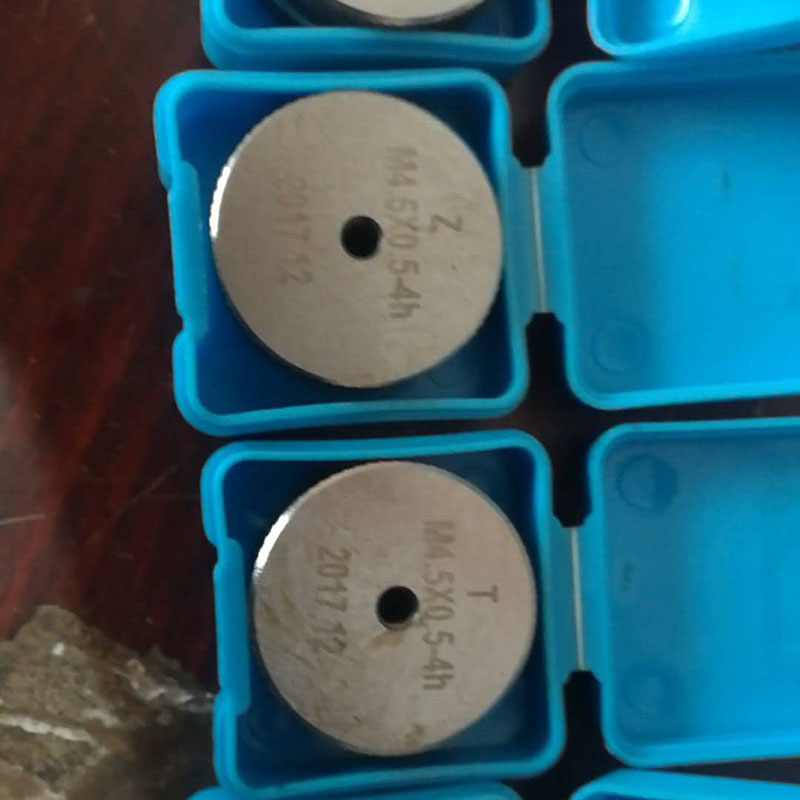
using a thread gauge
Using a Thread Gauge A Comprehensive Guide Threads are an essential component in countless mechanica
 English